A game that runs on 4GB of RAM is sitting at number eleven on Steam
Slay the Spire 2 is a roguelike deckbuilder in early access for 27,000 won. You assemble a deck over a single run, lose it all when you die, and co-op is introduced for the first time in this entry.
As of 27 August 2026, a roguelike deckbuilder sits at number eleven on Steam’s most played list. Above and below it are Counter-Strike, Battlefield 6 and EA Sports FC 26. Slay the Spire 2, wedged in between them, asks for 4GB of RAM and 1GB of VRAM, and what happens on screen is a few cards changing hands. Its concurrent player count that day was 57,642, with a daily peak of 95,574.
A tower that reopened after a thousand years
For anyone who missed the first game, here is the shape of it. You climb a tower one floor at a time, meet enemies, and fight them with cards. Play an attack card and you hit. Play a defence card and you block. After a fight you pick one of three cards to add to your deck, and those choices stack up into the character of that run. A poison run, a run that turns block into damage, a run that draws its whole deck every turn, all out of the same character.
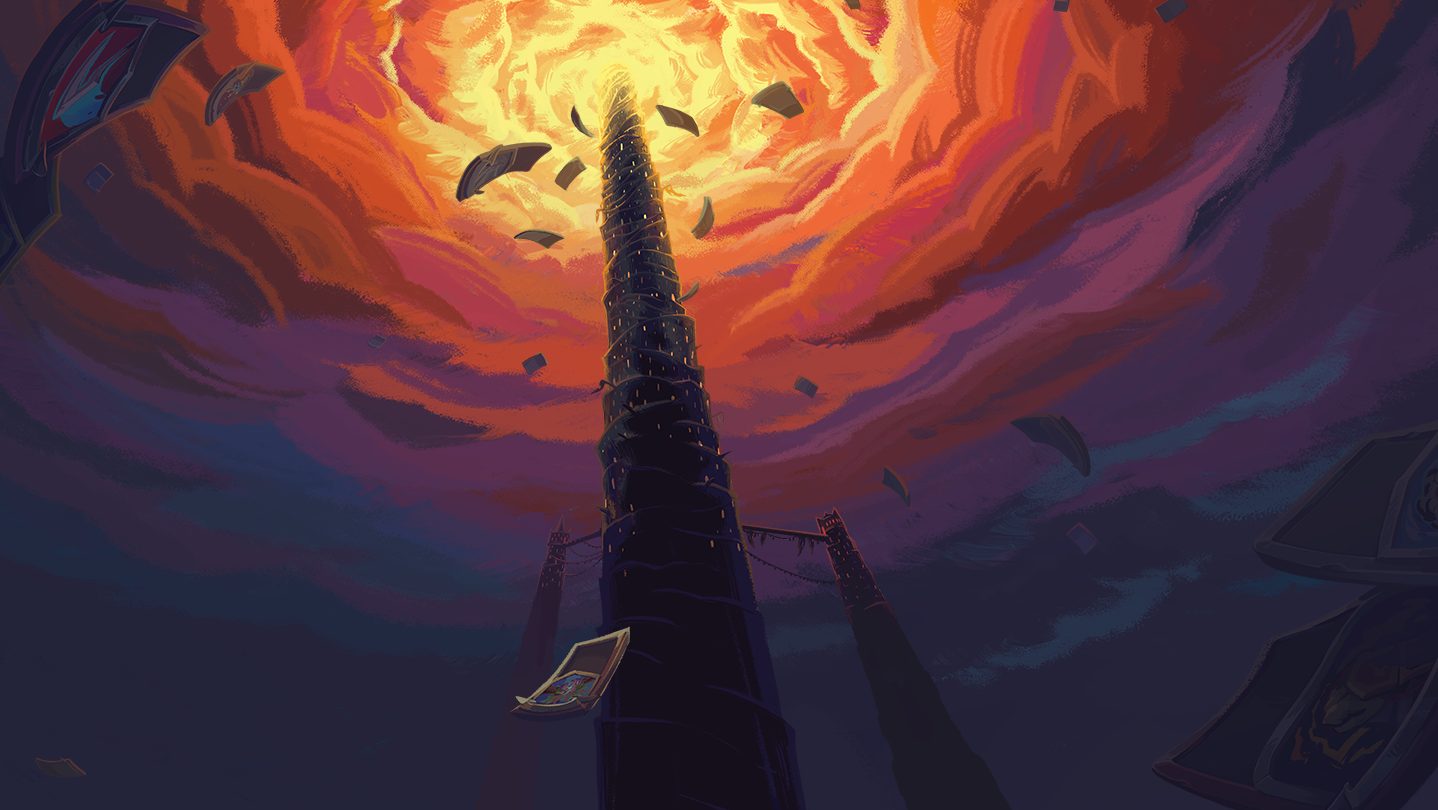
Die and you start over. No gear, no levels, nothing saved except your memory of which card was the wrong pick. The sequel’s tower has been asleep for a thousand years and has just reopened. Five characters are available. Three will be familiar to anyone who played the original, and two are new here.
Why one card choice eats thirty seconds
Time in this game mostly stands still. What the enemy intends to do next turn is printed on screen, and your hand and remaining energy are numbers you can read. With the information all open, mistakes come out of arithmetic rather than reflexes. That is why the three-card reward screen swallows thirty seconds at a time. Take the strong card now and your deck thickens, so the card you actually need arrives late. Skip it and the next floor kills you.
A phrase that followed the first game sums the feeling up: the hard part is not taking cards. The sequel leaves that axis alone and lays new cards, relics and potions on top of it.
You pay once, and that is all
It costs 27,000 won on Steam. No gacha, no season pass, no characters sold on the side. Compared with most of the games covered on this site, there is simply nothing to calculate. You never have to work out what a given outcome will cost you, only whether that first 27,000 won matches your taste.
The hardware side is just as light. The minimum is Windows 10 64-bit, a dual-core 2.0 GHz processor, 4GB of RAM, 1GB of VRAM and 4GB of storage. It runs on Mac and Linux too. Controller support is full and it can be played with the mouse alone, so a sofa works as well as a desk.
Co-op arrives with this entry
Co-op was not in the first game. This entry introduces it, for up to four players on the same tower, with cards that only appear in multiplayer. A solo run is arithmetic. A co-op run adds negotiation. Somebody has to hold the line while somebody else builds damage, and when a good card drops, the group has to decide whose deck it belongs in. You will carry runs and you will be carried.
The tower’s history, sold in fragments
One thing the sequel adds is how it hands out its story. The history of the tower and the things living inside it does not arrive in one piece. Clear a challenge and a fragment of the timeline opens. The creature you have been killing for twenty runs suddenly has a reason for being there, and a structure you read as scenery turns out to have a date attached to it.
The method suits the genre. In a game where a run leaves nothing behind, the only thing that accumulates on your account is narrative. None of it makes the next run easier, because progress arrives as text rather than stats. What it does is put a sentence in front of you on your twentieth attempt that changes the face of an enemy you already know by heart.
What beginners get stuck on
Most people who quit a roguelike deckbuilder quit on their second or third run. The first one is new and therefore fun. The second ends on the same floor as the first, in the same way. At that point the game looks unfair, and the usual cause is the opposite of what it feels like: you took too many cards.
Getting past it comes down to three habits. Keep the deck thin. Read what each relic actually does rather than collecting them. Check the enemy’s intent every single turn. Hold to those and the ceiling usually rises somewhere around your fifth or sixth run. Reaching that point takes three or four hours, and whether you can sit through those hours is the real test of whether this game is for you.
What early access means here
The game arrived on 5 March 2026 and is still in early access. Mega Crit says on the store page that cards, events, environments and enemies will keep being added and rebalanced through this period. Read that the other way and the combo you memorised may not survive the next patch. If you want settled balance, wait for the full release. If the churn is part of the appeal, this is the window.
If you never played the first game, consider going backwards. The original is finished, discounts often, and teaches the same rules in a quieter state. Starting with the sequel is fine too, since the rules are explained in game. Either way your first run is going to end badly, so the fastest way to judge this game is to clear an hour tonight and play until you die once. Pay attention to what you felt at the moment the run ended. Annoyance at the game points one way, and immediately reaching for a different opening card points the other.
Screenshots
Images: official Steam assets