23.68 million consoles and 58.17 million games, and neither figure counts what players actually bought
Nintendo's August 6 material puts Switch 2 at 23.68 million hardware and 58.17 million software units as of June 30, 2026, and the footnote under the table calls that sell-in, meaning what Nintendo sold outward. For anyone pricing a console, the sharper line is September 1, when prices rose.
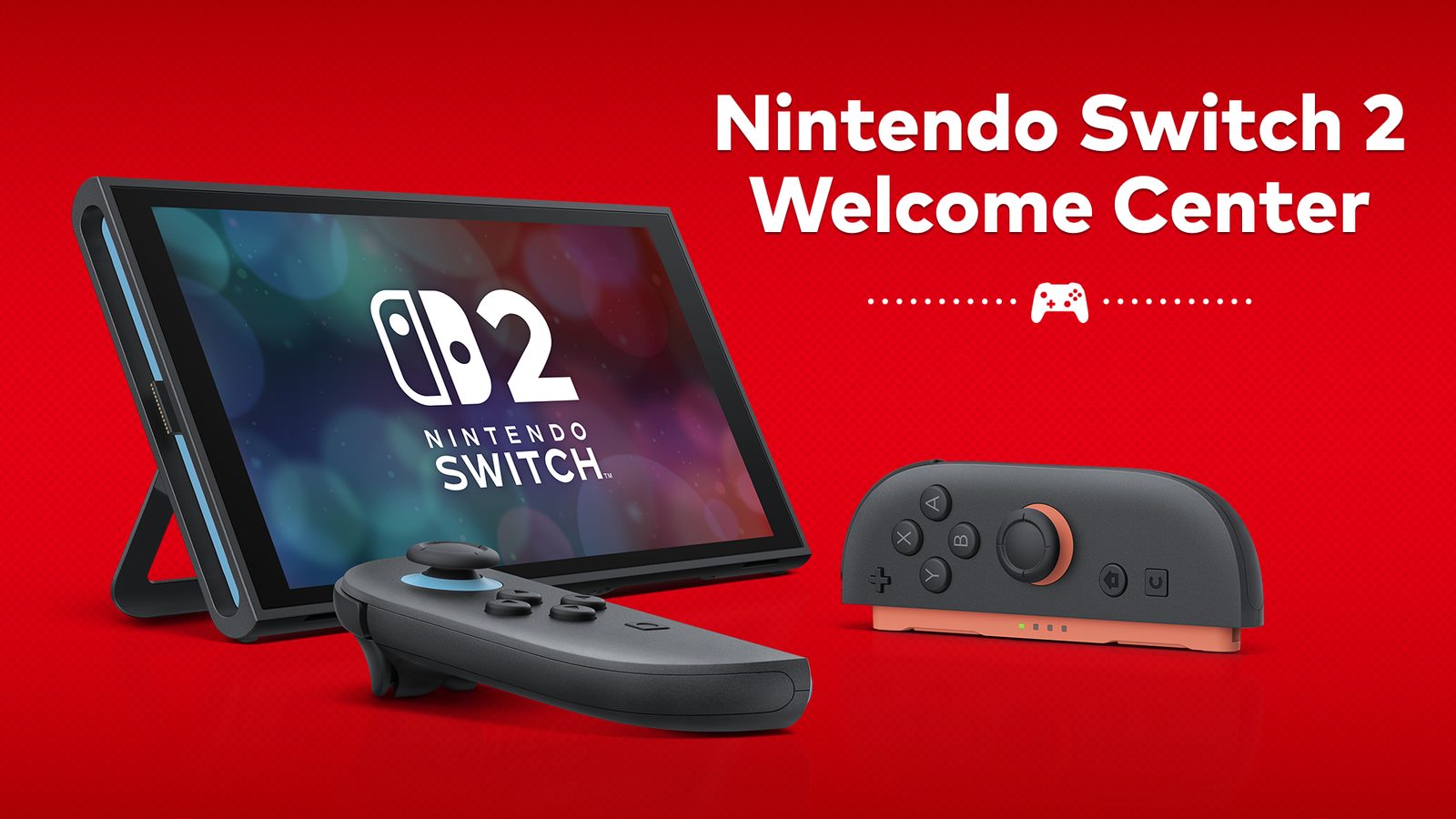
23.68 million units. That is the life-to-date hardware figure Nintendo publishes for Nintendo Switch 2, with software at 58.17 million, and as of September 3, 2026 it is still the most recent number the company has put out [1]. The count is as of June 30, 2026, and the material that first carried it is dated August 6, 2026 [2]. The table is refreshed around each earnings announcement, so a figure two months old is not a stale one.
Nintendo Switch 2 is a console that docks to a television or travels as a handheld, and it succeeds Nintendo Switch. It launched during Nintendo’s first quarter of the previous fiscal year, meaning somewhere between April and June 2025 [2].
The footnote that changes what the number means
The table sits on Nintendo’s investor relations site with a single line beneath it: the numbers shown are worldwide consolidated sales in units life-to-date [1]. The quarterly material names the same concept sell-in and defines it as sales by the Nintendo group to outside entities. Units shipped to retail partners count. So do units bought directly from Nintendo’s own web store, and downloadable software [2].
So 23.68 million is not the number of consoles that have left a shelf in someone’s hands. Nintendo reserves a separate word, sell-through, for sales to individual consumers, and in this material that side appears only as a graph [2]. The two get conflated constantly in aggregation and summary; the table gives you the first one.
The same page carries the original Nintendo Switch: 156.59 million hardware units and 1,561.95 million software units [1]. Against that, the 23.68 million Switch 2 has accumulated in a little over a year is roughly a seventh.
Hardware fell by a third while operating profit went up two and a half times
Narrow the window to April through June 2026 and the two halves diverge. Switch 2 hardware came to 3.82 million units, down 34.4% year on year, while Switch 2 software rose 9.2% to 9.46 million. The older Switch fell 31.8% to 0.66 million on hardware and climbed 38.6% to 33.81 million on software [2].
The hardware drop has a comparison problem behind it. The quarter it is measured against is the quarter Switch 2 launched. Judged as a second-year system, Nintendo writes, sales compare favorably with the adoption curve the original Switch traced [2].
Net sales fell 9.5% to 517.8 billion yen, and operating profit rose 150.5% to 142.5 billion yen [2]. Nintendo spells out where the second number came from. Refunds of United States tariffs imposed under IEEPA cut roughly 300 million dollars from cost of sales, and those tariffs, the company writes, had been borne primarily by Nintendo rather than passed on to consumers through product prices [2]. Digital sales rose 90.0% to 132.7 billion yen and accounted for 61.5% of software sales [2].
The titles doing the pulling appear on a separate table. As of June 30, 2026, Mario Kart World leads Switch 2 software at 15.39 million units, followed by Donkey Kong Bananza at 4.78 million, Pokémon Legends: Z-A – Nintendo Switch 2 Edition at 3.99 million, Pokémon Pokopia at 3.68 million, Kirby Air Riders at 1.90 million and Super Mario Party Jamboree – Nintendo Switch 2 Edition at 1.15 million [4].
Console prices in North America and Europe went up on September 1
If you were weighing a purchase, this matters more than the earnings table. In a notice dated May 8, 2026, Nintendo said it would revise manufacturer’s suggested retail prices across products and services. The notice uses the phrase price revision throughout; every figure in its table moves upward [3].
Japan went first, on May 25. The Switch 2 console moved from 49,980 yen to 59,980 yen, the Switch OLED Model from 37,980 yen to 47,980 yen, the original Switch from 32,978 yen to 43,980 yen and Switch Lite from 21,978 yen to 29,980 yen [3]. Nintendo Switch Online in Japan followed on July 1, with the 12-month individual plan going from 2,400 yen to 3,000 yen and the 12-month family plan from 4,500 yen to 5,800 yen [3].
North America and Europe took effect on September 1, 2026. The Switch 2 console went from $449.99 to $499.99 in the United States, from C$629.99 to C$679.99 in Canada, and from €469.99 to €499.99 in Europe [3]. As of September 3, 2026 all three are live.
The currencies given prices in that notice are the yen, the US dollar, the Canadian dollar and the euro. No figure in Korean won appears in it [3].
What has to fill in before the next set of numbers
Nintendo’s full-year forecast is 16.50 million Switch 2 hardware units and 60.00 million software units, down 16.9% and up 23.2% respectively [2]. With 3.82 million sold in the first quarter, 12.68 million rides on the nine months that remain.
The first-party releases scheduled into those nine months are listed too. Fire Emblem: Fortune’s Weave arrives September 17, Nintendo Switch Sports Resort on October 22, and The Legend of Zelda: Ocarina of Time before the year is out. Xenoblade Genesis, Pokémon Winds and Pokémon Waves sit in the 2027 column [2].
A few other figures come attached. Annual playing users stayed above 100 million, holding last year’s level; the count covers Nintendo Accounts that opened Switch 2 or Switch software at least once in a twelve-month window, and excludes accounts that only used services such as the eShop [2]. Tomodachi Life: Living the Dream, a Switch title, has passed 8 million in cumulative global sell-through as of August 5, 2026, by Nintendo’s own estimate [2]. And The Super Mario Galaxy Movie, released worldwide on April 1, has cleared 1 billion dollars at the box office, which Nintendo describes as the second-highest total ever for a film based on a video game, behind The Super Mario Bros. Movie [2].
Three things to settle now. Recalculate at the post-September 1 price if you were buying through a North American or European storefront, check the May 25 figure if you were buying in Japan, and put September 17 and October 22 on a calendar if you are waiting on Switch 2 software.
What Nintendo has not said is how sales moved in North America and Europe after the September 1 increase. The date of the next quarterly material, where that answer would appear, has not been announced either.
Sources
[1] Nintendo. Dedicated Video Game Sales Units. Nintendo IR, checked September 3, 2026.
[2] Nintendo. Financial Results Explanatory Material: 1st Quarter of Fiscal Year Ending March 2027. Nintendo, August 6, 2026.
[3] Nintendo. Notice Regarding Price Revisions for Nintendo Products and Services. Nintendo, May 8, 2026.
[4] Nintendo. Top Selling Title Sales Units. Nintendo IR, checked September 3, 2026.
Screenshots
Images: official Nintendo assets
Source: Nintendo IR ↗