Cheat subscriptions average $40 a month, and Activision says one cheater can spend more than $1,000 a year
Activision's RICOCHET Anti-Cheat team broke down the cheat-selling business on the Call of Duty blog on September 18. Citing Intorqa, it put cheat subscriptions across 15 games at about $3.5 billion a year and the wider economy at $8.5 billion, and reported over 70,000 hardware bans last month.
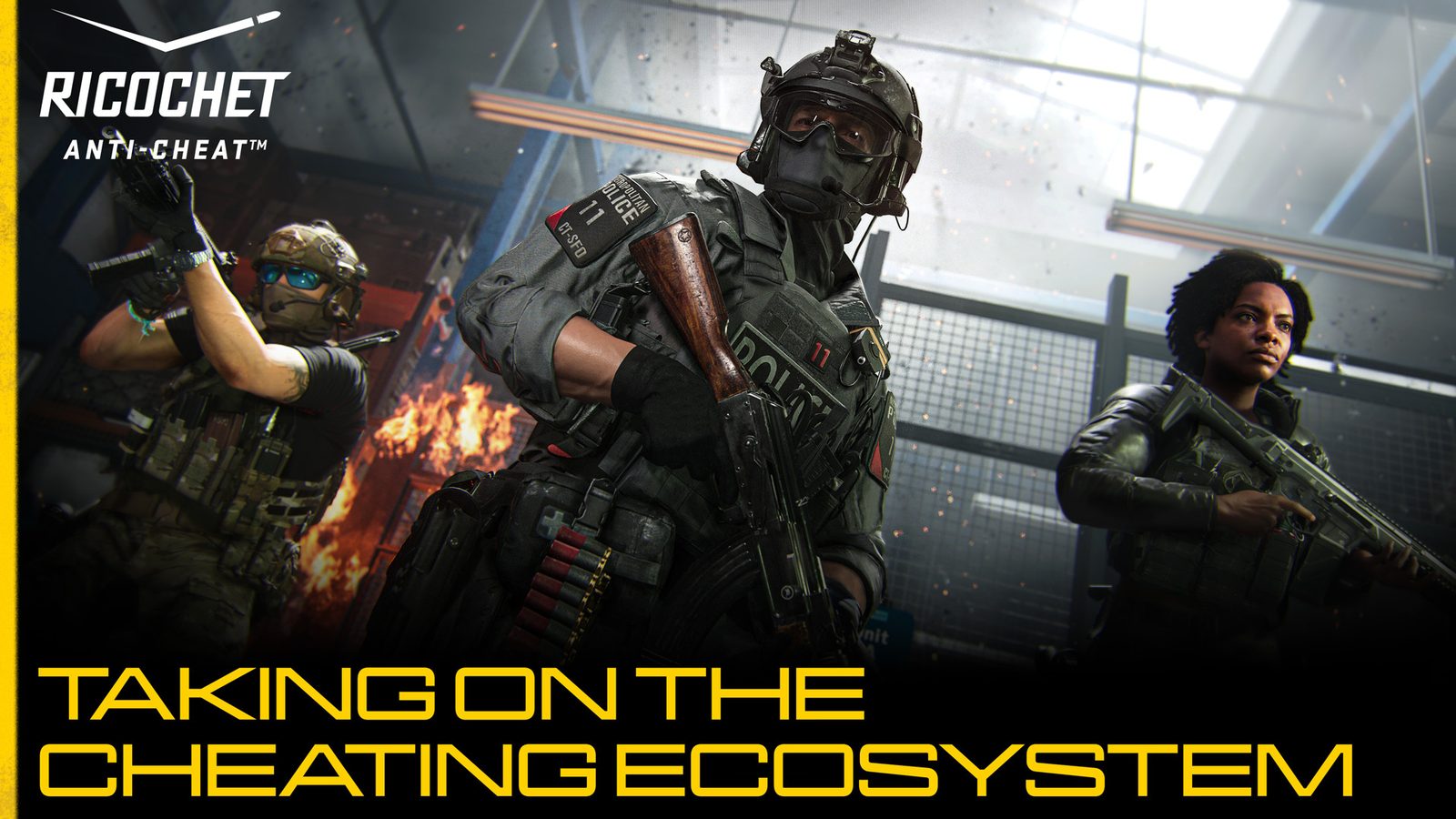
A cheat subscription costs around $40 a month on average, and the pricier ones run past $100. Add a recurring fee for a spoofer to dodge hardware bans, and a single cheater can spend more than $1,000 a year, according to Activision [1]. The figures come from a post that the RICOCHET Anti-Cheat team published on the official Call of Duty blog on September 18, 2026. This article is current as of September 21, 2026.
The $8.5 billion is not Activision’s own count
The market size the post cites belongs to Intorqa, a threat intelligence firm, and to an analysis it released in February. Cheat subscriptions across 15 games add up to roughly $3.5 billion a year, and once adjacent businesses such as account sales, boosting and spoofing are included, Intorqa forecasts the broader cheating economy at about $8.5 billion a year [1]. IGN and Eurogamer ran that number in their headlines [2][3]. The post itself presents it as Intorqa’s estimate, not as something Activision verified from its own books.
One cheat sells under many names
The post describes the market as a pyramid. Cheat developers sit at the top, and many of them stay behind resellers and support teams so they never deal with customers directly. Below them, primary vendors put the products on the market, and beneath those, layers of resellers push the same products through overlapping storefronts and communities. The RICOCHET team says it tracks hundreds of these vendors [1].
That structure creates an illusion of variety. Many cheats that look different are the same product with a new logo and name, and the person selling a cheat is often not the one who built it. Resellers buy, modify or steal source code and repackage it under a new brand. When one cheat circulates under several names at once, detected products survive longer and the communities discussing bans get fragmented [1].
The post also describes vendors who take the money and vanish. Some collect payments and disappear in an exit scam, while others go quiet during major detection waves, claim they were hit by legal action, then rebrand and reopen somewhere else [1].
More than 70,000 hardware bans last month
Enforcement gets numbers too. Activision says it has disrupted more than 375 reseller operations, issued more than 80 cease-and-desist demands, and helped shut down 31 primary cheat vendors. Last month alone it issued more than 70,000 new hardware bans [1].
On the technical side, the defenses cover accounts and devices. Mandatory two-factor authentication shrinks the supply of stolen and disposable accounts, while TPM 2.0, Secure Boot and Remote Attestation verify the integrity of a PC before a match begins. Against spoofers, the team leans on updated security requirements such as Microsoft Azure Attestation [1]. Account theft is a wider problem than cheating. The post points to research cited by the Consumer Financial Protection Bureau, in which one in three of 10,000 gamers surveyed worldwide said their gaming account had been hacked within the previous two years [1].
Buyers hand over more than money
One section is set aside for what cheat sellers collect from their customers. Many cheat communities require account verification before granting access to private forums or downloads, and that process can expose real IP addresses, linked Discord accounts, hardware details, email addresses and payment information. Some vendors go as far as requiring photo identification, and some developers embed malware in their products [1].
Activision’s stated approach is a single one. Because the market is sustained by organized networks, it does not fight it one account at a time, but targets the infrastructure, the distribution networks and the operators together [1]. The post arrived ahead of Modern Warfare 4, which launches on October 22 [2]. How much less often players will actually meet a cheater in the new game is something the post never puts a number on.
Sources
[1] Activision, Team RICOCHET. The Cheating Ecosystem is a Multi-billion-dollar-market: Here’s how #TeamRICOCHET is taking it on. Official Call of Duty blog, September 18, 2026.
[2] Wesley Yin-Poole. Call of Duty Maker Activision Says the Video Game Cheat Market Generates $8.5 Billion a Year. IGN, September 18, 2026.
[3] Eurogamer. Call of Duty maker Activision claims video game cheating is now a £6.3 billion ($8.5 billion) a year industry. Eurogamer, accessed September 21, 2026.
Screenshots
Images: official Activision assets
Source: Activision (Call of Duty blog) ↗